In 2014, after more than a decade of lobbying, Congress passed a bill that transferred land near Oak Flat, Arizona, to a mining company that planned to build a huge copper mine on the land. This prompted opposition—and a lawsuit—from an Apache resistance group led by Wendsler Nosie Sr., a 64-year-old Apache elder, which claims the site is sacred to them:
Apache roamed Oak Flat, which they call Chí’chil Biłdagoteel, for generations before white settlers forced them onto reservations. Nosie and the other Apache involved in the case — who go by the name Apache Stronghold — say it is sacred land blessed by their Creator and home to spiritual guardians akin to angels.
....In their lawsuit — which is now before the U.S. 9th Circuit Court of Appeals — the group argues that the deal to trade Oak Flat to Resolution Copper in exchange for other lands scattered throughout the state violates their religious rights. They say construction of the mine would prevent them from conducting their religious ceremonies and break their ties to the land forever, in violation of an 1852 treaty between the Apache and the U.S.
There's no question that Oak Flat used to be territory occupied by Apache, who were treated brutally and moved to a nearby reservation in the 19th century. An ethnographic study of Oak Flat in 2015 found areas with Apache place names, Apache camps, and ancestral archaeological sites, as well as other landmarks that “possess traditional cultural significance.” But was it ever considered sacred land?
Backers of the mine have questioned the Apaches’ religious ties to the land....Today, critics of Apache Stronghold, including some longtime residents of Superior, question the group’s religious claims to the land, saying they never saw Apache at Oak Flat until the fight over the new mine began.
....James Phillips, 33, is a member of the San Carlos Apache Tribe and a father of two. He is also a Resolution Copper employee who supports the mine....The truth, he said, is that he just doesn’t believe what Nosie preaches about Oak Flat.
“If you were to ask me if I truly believe Oak Flat is sacred, honestly no, I don’t. I’d never heard of it being sacred before,” Phillips said.
I'm not a religious person, so I probably find religious claims more tiresome than most people. I recognize that—and I also recognize that if I'm skeptical of claims that a particular tract of land is "sacred," I need to be careful. It might just be my biases speaking.
 That said, claims of sacred land frequently seem to pop up a little too conveniently when Native groups oppose a project of one kind or another. In this case, huge swathes of New Mexico and eastern Arizona are historic Apache territory, but which parts are sacred? Not all of them, certainly. And the truth is that it's hard to find any mention of Oak Flat being sacred that's not tied to the proposed mine. Even in a 2007 letter from six Apache tribes that is tied to the mine, they refer solely to Oak Flat's "unique recreational and historical values" and explicitly claim only that Apache Leap—an outcrop two miles from the mine site—is sacred. But Resolution Copper has already agreed to leave Apache Leap alone.
So . . . it's a little hard not to be skeptical. With no disrespect intended, it would be nice for Native Americans—and everyone else—to designate their sacred areas now, instead of waiting until they have something to oppose. It's not as if this would be impossible: many areas, like Apache Leap, are already designated. Why not do them all?

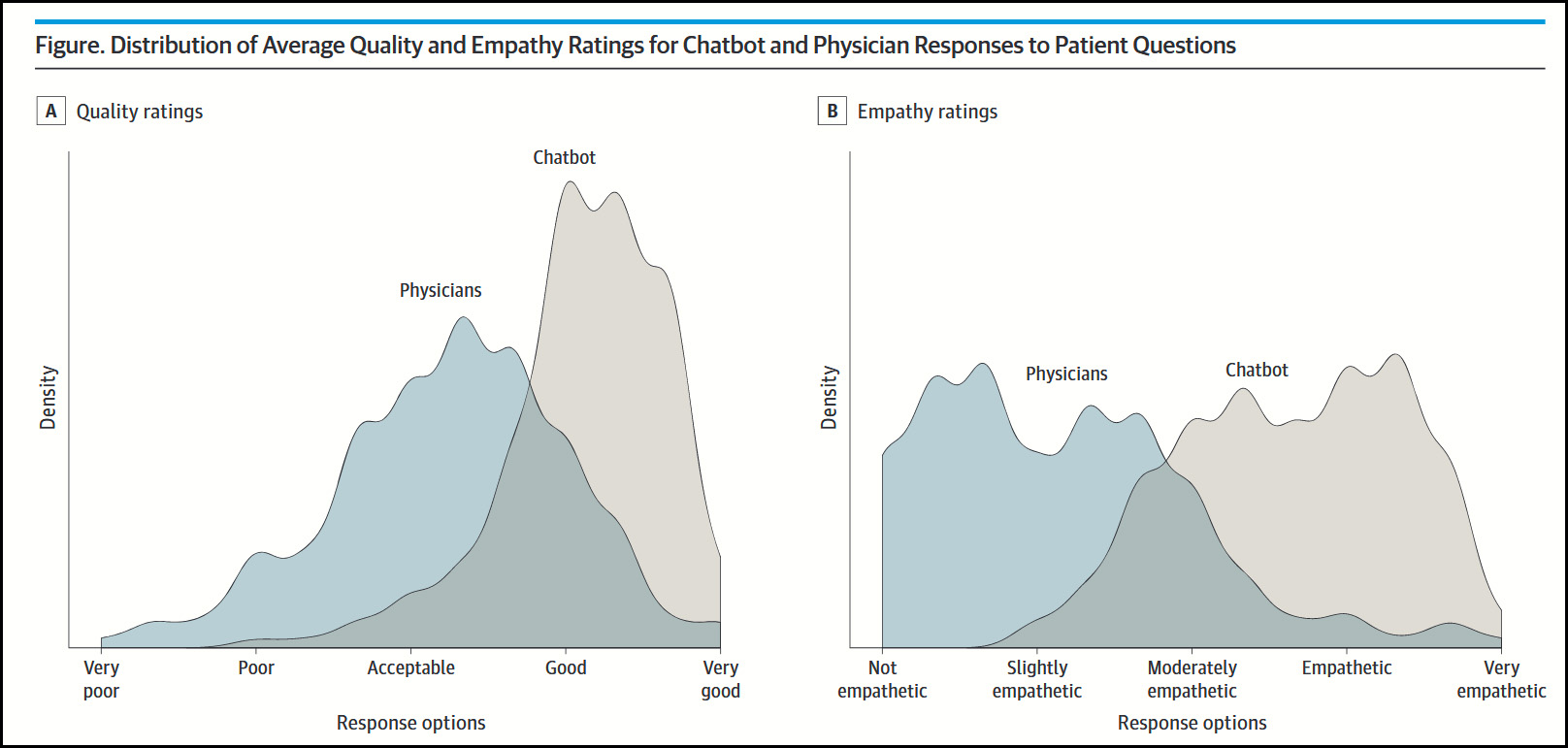 ChatGPT is also handy for routine scutwork like writing appeals to insurance companies, which it can do in seconds. As one doctor put it, “You’d be crazy not to give it a try and learn more about what it can do.”