I caught some of Bill Maher's show last night, and midway through he began a rant about bureaucrats making it harder and harder to build anything. These "petty tyrants," he said, are constantly coming up with new rules that force you to jump through ever more hoops to get anything done.
Maher is wrong to assign blame where he does. There are good and bad bureaucrats, just like everything else, but for the most part all the new rules come from elected legislators: city councils, county commissioners, state legislatures, Congress, water boards, school boards, and so forth. The reason there are so many hoops to jump through is largely because (a) we elect people who put them in place and (b) construction opponents tie things up in court endlessly.
But aside from assigning blame, this got me curious: Is it really impossible to build stuff anymore? If it is, we should be building less stuff as time goes by. Are we?
Looking at the value of construction does no good. The cost of construction can change for lots of reasons. What we need is the raw quantity of construction, and that's not easy to come by. But it isn't impossible. For example, here's the number of miles of public roads built each year over the past half century:
 There's a lot of noise here but no trend. The average today is the same as it was 50 years ago. Here's housing:
 The raw amount of housing has gone up, but that's not a fair comparison since population has also gone up. What I've done here is adjust new housing for annual population growth. That is, the number of houses built each year divided by the increase in population for that year. It's not perfect, and perhaps it should be based on lagged population growth since it's adults who buy houses, but it gives a good sense of things. Again, there are ups and downs, but it's stable overall with a noticeable rise over the past few years.
Now here's commercial development:
 Once again, this is the amount of construction per year adjusted for population growth in that year. Commercial construction has been down over the past decade, but the trend is generally upward in the postwar era.
This is hardly definitive, but generally speaking it looks as if we're building about as much stuff as ever, even when you account for population growth. It might take longer and it might be more expensive—I can't tell on either count—but one way or another all the new rules don't seem to be stopping anything.
POSTSCRIPT: For what it's worth, the reason these statistics might be surprising is that a lot of people cherry pick to make them look worse than they are. In particular, California is famously resistant to new housing, and our CEPA law is infamously abused to slow down construction. New York City is also an outlier, where construction is difficult and expensive and time consuming. If you focus on California and New York City, it's easy to make things look bad. If you include the rest of the country things aren't so bad after all.
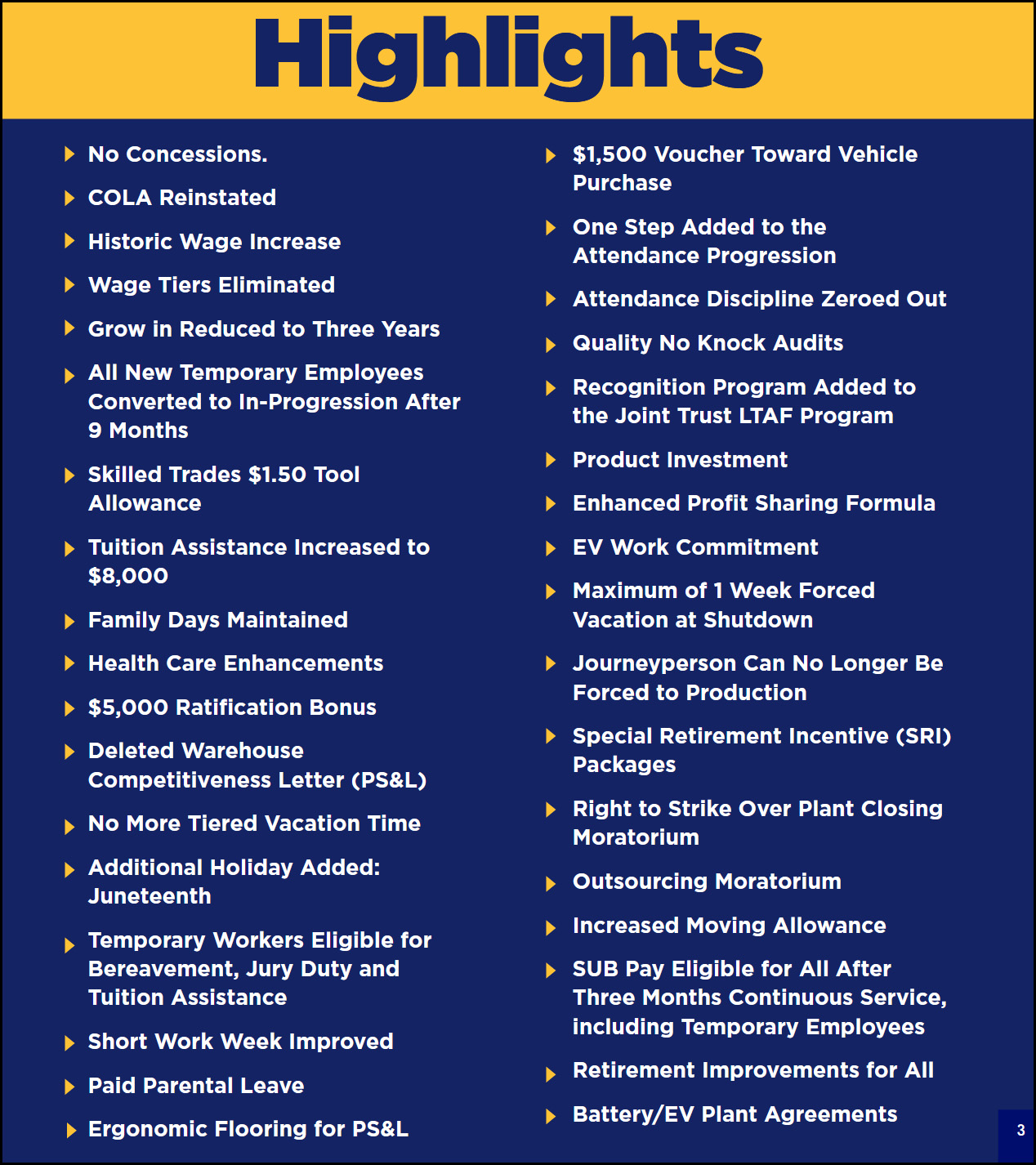 The two-tier pay system, where new hires are paid half the rate of veteran workers, has been all but eliminated, and will be gone completely in three years:
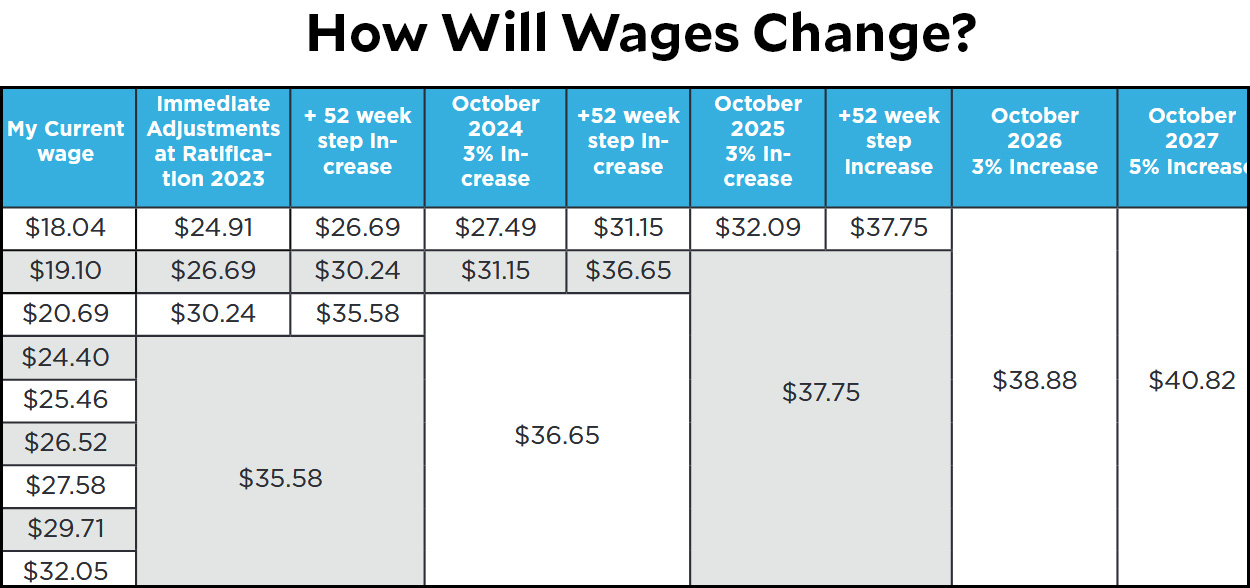 Overall wages will increase more than the 25% initially reported, although oddly, that's still the number highlighted by the UAW. The real increase is 27% by 2027 plus COLA, which is likely to add another 6% or so for a total increase of 33%.