I mentioned in an earlier post that conventional wisdom remains stuck in the belief that middle-class incomes have tanked, and this belief hasn't really changed even though it no longer fits the facts of the past few years of strong income growth.
But things are more complicated than that, and I thought you might be interested in seeing a few different ways of measuring middle incomes. None of these is "right." They're just measuring similar but different things.
First up is your basic measure of median income from the Census Bureau:
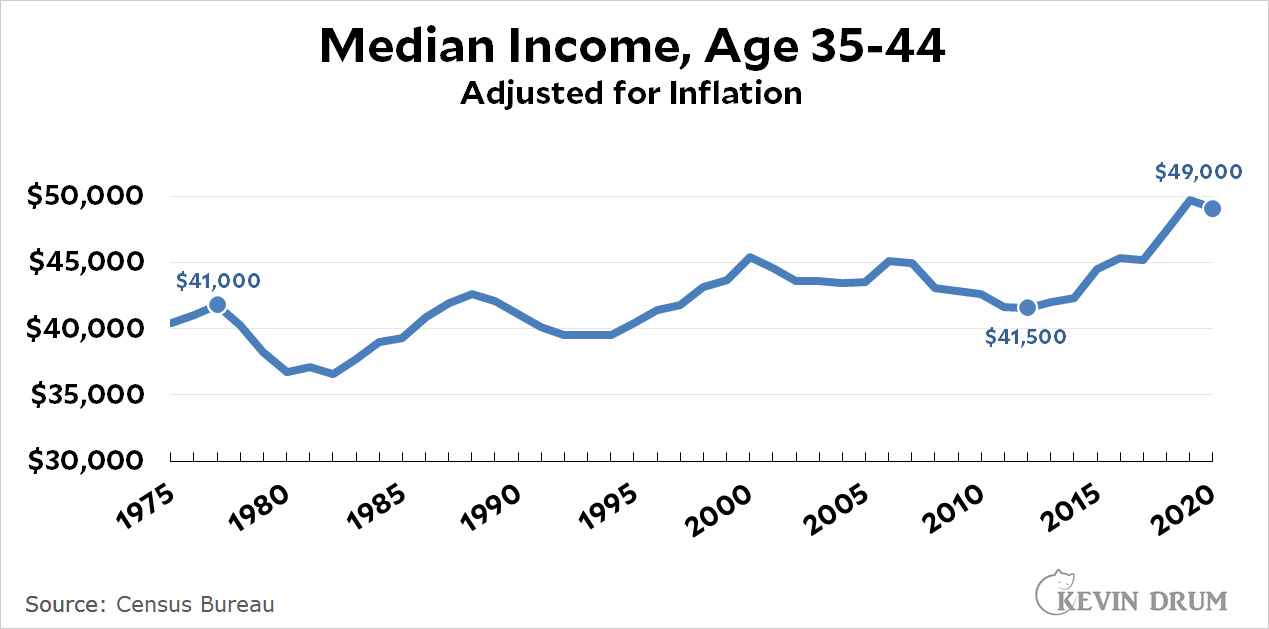
With a judicious choice of starting point, it was easy at the end of Great Recession to say that incomes had been stagnant since the '70s. However, even this chart can't avoid the fact that since 2012 the median income for prime-age workers has increased by nearly 20%. The stagnant income story, whether for Millennials or anyone else, just doesn't wash anymore.
But there are other ways to measure income. Here's one:
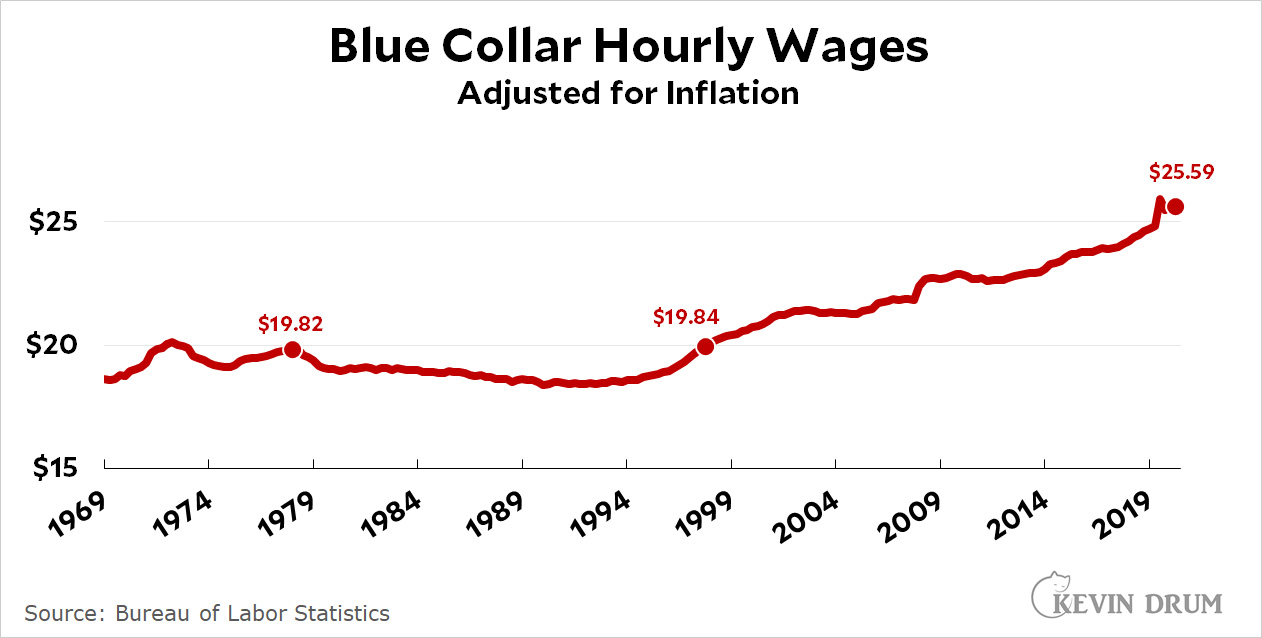
This is a measure of "nonsupervisory" wages, which is basically blue-collar wages. In this case, it looks like wages are stagnant or down all the way through the late '90s, but have grown nearly 30% since the year 2000. The timeframe is different, but it once again shows that the conventional wisdom of stagnant wages has passed its sell-by date.
Finally, here's a third way of measuring income:
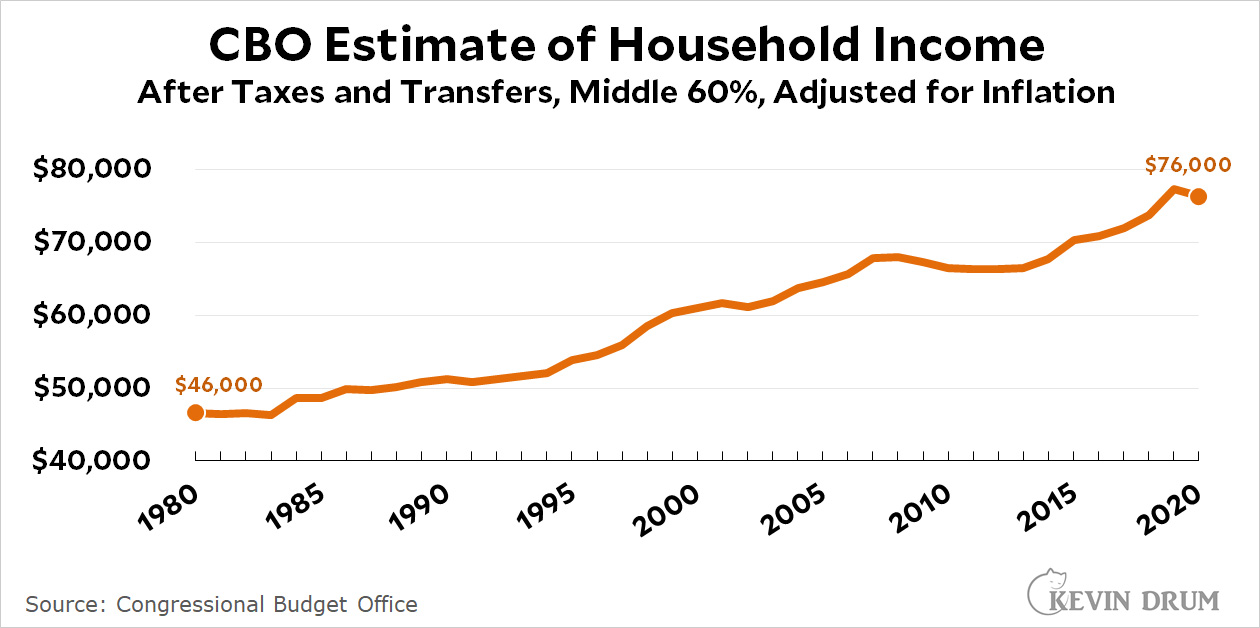
This is an unusual measure of income. It's after-tax income adjusted for benefits from government programs. It covers the middle 60% of the population, which is basically the bottom of working class to the top of middle class. What it shows is that middle incomes have been steadily rising for the past 40 years and are now 65% higher than in 1980.
There's a flat spot from the start of the Great Recession through about 2014, but that's hardly surprising. Since then, incomes have risen 15%.
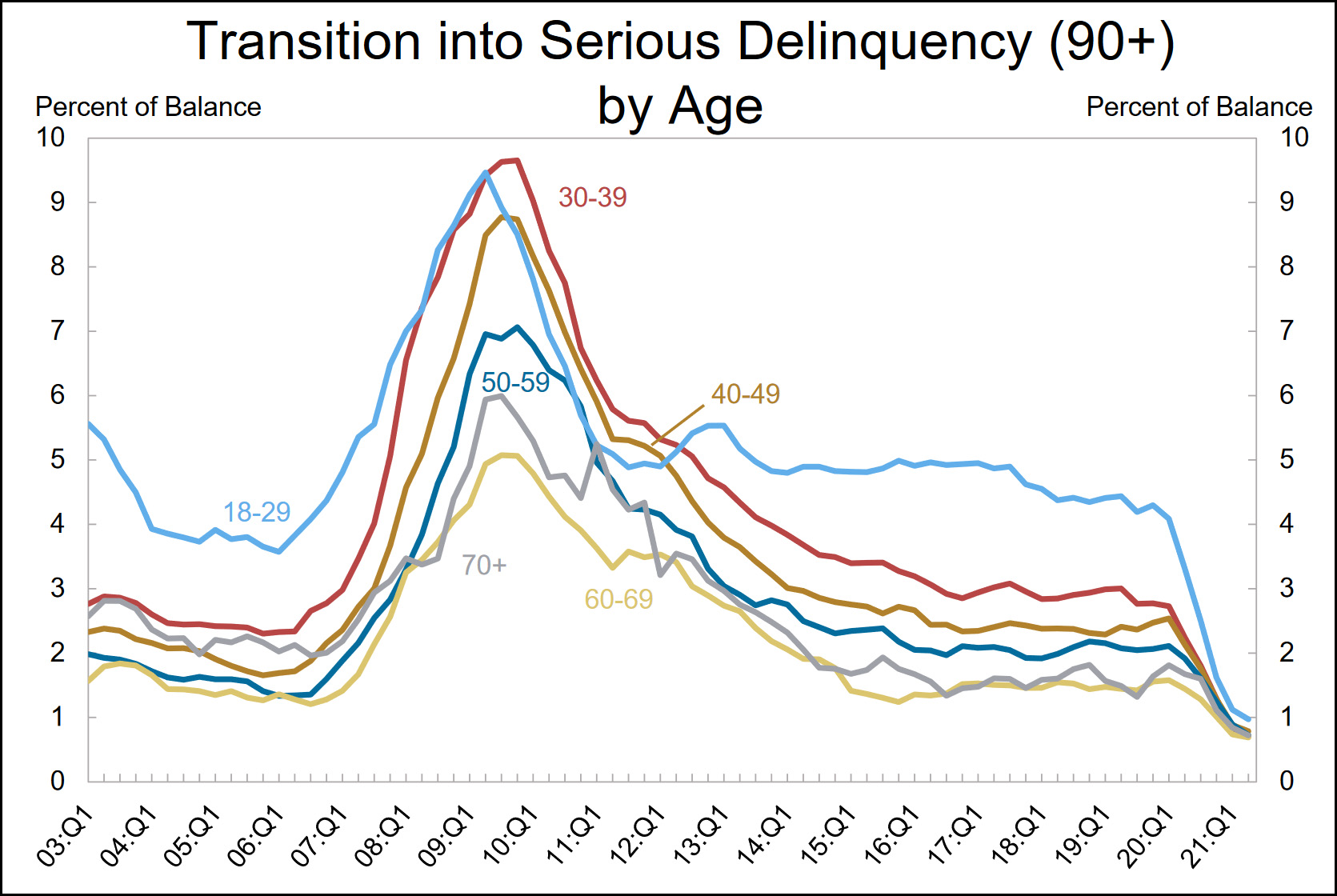
In addition, consumer debt has declined by a third over the past few years; bankruptcies are almost down to nothing; and delinquent loans have plummeted for practically every age group.
Depending on which of these income metrics you believe, the conventional wisdom of stagnant middle-class incomes has been obsolete since 2015, since 2000, or was never really true at all. But one way or another, it's obsolete now.
None of this is meant to suggest that the economy has been great for the middle class. Both the rich and the poor have done better, and over the past few decades the growth in middle-class incomes has been a weak 0.5-1.5% per year depending on which measure you use.
Still, at the very least middle incomes have grown over the past six or seven years, and it's no longer accurate to talk about stagnant wages no matter what measure you prefer. Too many people seem to have ignored this.
POSTSCRIPT: It's worth noting that this is merely raw data, as the headline says. You should use it if you care about accuracy.
However, it remains the case that income growth has been worse for the middle class than for anyone else, thanks to massive growth among the rich and big growth in government assistance among the poor. If you wonder why the middle class feels squeezed, this is part of the answer. They feel like everyone else is doing better, and they're right.





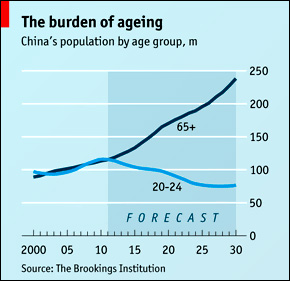 And that's not all. I'm no China expert, but I've long thought that China is likely to reach a point this decade where they start to have real challenges from both demographic decline and a difficult transition away from a low-wage economy. If they also choose this decade to strangle their economy their problems will only multiply.